Elevate Your Living Area: Expert TV Wall Mounting Services for the Ultimate Home Theater Experience
Skilled TV wall mounting specialists can markedly enhance the at-home viewing experience. By providing optimal viewing angles and minimizing clutter, these services bring both functionality and style to any space. Professional installation further eliminates typical concerns including glare and neck fatigue. Grasping the details of this procedure is crucial. What elements should be assessed before committing to a mounted television arrangement? The findings could redefine your overall home viewing experience.
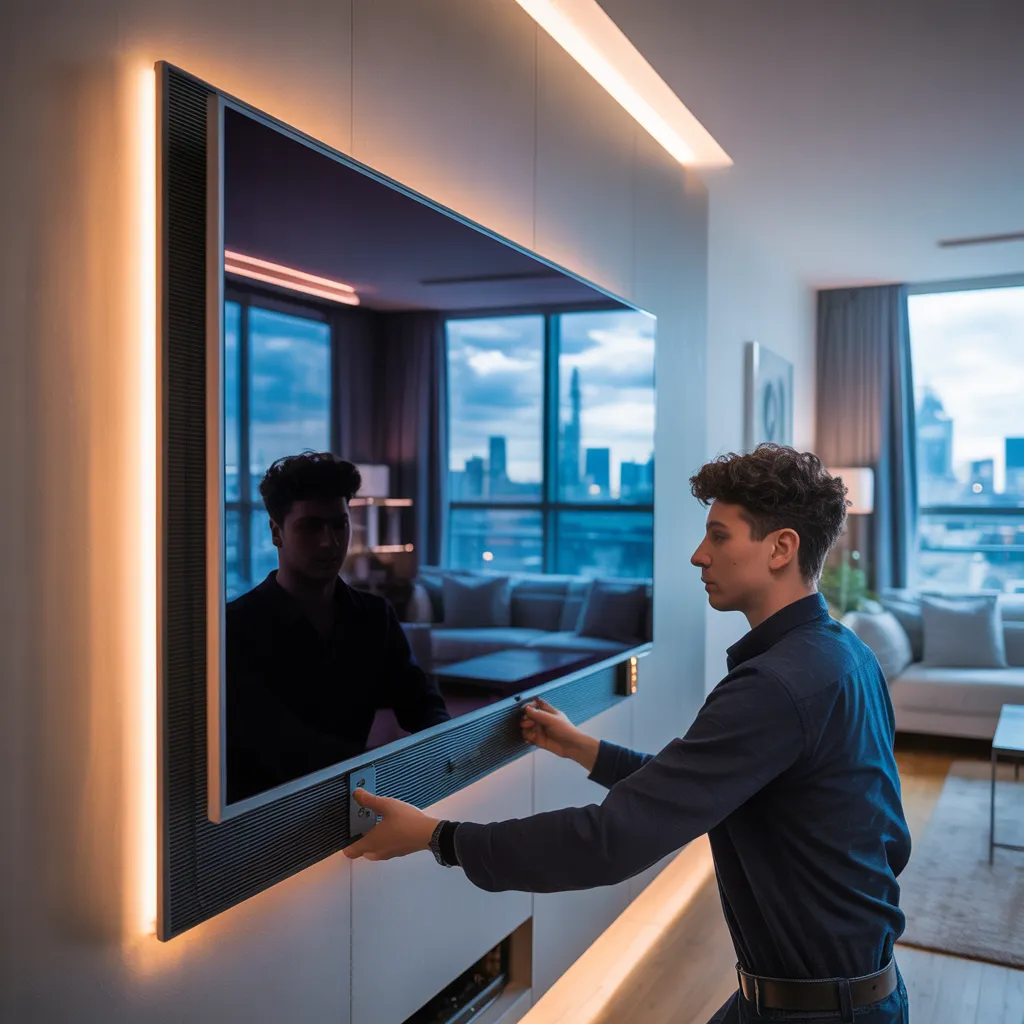
Why Should You Consider Professional TV Wall Mounting?
Expert TV wall mounting provides many benefits that boost both usability and overall appearance. First and foremost, it maximizes floor space, creating a tidier, more orderly living space. By elevating the television, it lowers the likelihood of unintentional damage and ensures wiring remains out of reach, improving overall safety, particularly in households with young children and pets. Moreover, a professionally installed TV delivers optimal viewing angles, reducing screen glare and improving the overall watching experience.
In addition, accurate installation assures that the TV is safely fastened, decreasing the chances of falls or harm. Qualified installers regularly incorporate cord management options, which hide unattractive cables, creating a polished look. Additionally, skilled specialists can examine wall compositions and determine the proper mounting components, guaranteeing suitability and strength. In the end, qualified TV wall installation not only upgrades the aesthetic quality of a space but also markedly improves the practical aspects of TV usage.
Why Wall-Mounting Your TV Transforms Your Home Cinema
A mounted television significantly improves the home viewing experience by delivering perfect viewing angles, creating superior sightlines from various seating positions. This setup not only optimizes space by removing oversized furniture but also contributes to a tidier, more visually appealing design. Ultimately, a mounted TV establishes a more engaging and tidy environment for enjoying films and shows.
Optimized Viewing Angles
Mounting a TV not only elevates its position but also significantly improves viewing angles, revolutionizing the home theater experience. By positioning the screen at eye level, viewers can enjoy a more immersive viewing experience, reducing neck strain and improving comfort. This thoughtful positioning minimizes reflections and glare from windows and lights, delivering consistently clear pictures throughout the day. Moreover, wall-mounted displays can be adjusted to suit various seating configurations, enabling all viewers to experience optimal image quality. This flexibility is especially beneficial for expansive areas with diverse seating configurations. All things considered, the improved sightlines offered by a wall-mounted TV create a more enjoyable and engaging environment for cinema nights and marathon viewing experiences.
Space Optimization Benefits
Transforming a room begins with a wall-mounted TV, which considerably enhances room efficiency in any cinema environment. By removing oversized furniture and freeing up floor space, a wall-mounted television allows for a more efficient use of space. This configuration not only improves mobility throughout the space but also facilitates better seating arrangements, making it simpler to establish a comfortable viewing atmosphere. Furthermore, wall mounting minimizes cable clutter, contributing to a tidier appearance. This streamlined approach encourages creative layouts, allowing residents to make the most of their available space. Ultimately, a wall-mounted TV is a smart choice that unlocks the full potential of a home theater, guaranteeing a balance of practicality and comfort during viewing.
Visually Appealing Design
Transforming the overall look of a home cinema, a wall-mounted TV creates a polished and stylish focal point in any room. This approach removes the need for oversized furniture, allowing for a more spacious and welcoming atmosphere. By mounting the TV at eye level, viewers can appreciate a superior cinematic experience while preserving a refined visual appeal. The smooth incorporation of a mounted TV into the wall design further elevates the overall decor, creating a sophisticated ambiance. Additionally, this setup allows for creative opportunities, such as including elegant shelving or curated artwork around the TV. Ultimately, a wall-mounted TV transforms a space, merging functionality with a contemporary design that suits any home theater setting.
How to Choose the Best Spot for Your TV
Where is the ideal spot to place a TV for the best viewing experience? The optimal placement depends on a number of important considerations, including room layout, seating arrangement, and lighting conditions. Choosing a wall that reduces glare from natural and artificial light sources is key to an enjoyable viewing experience. Placing the TV at seated eye level optimizes visibility and minimizes strain on the neck.
In addition, the gap between the screen and the seating position plays an important part; the ideal distance generally falls from 1.5 to 2.5 times the screen diagonal. This guarantees that individuals can take in the image quality without putting stress on their eyes.
Consider the room's main focus; the TV should complement the space rather than dominate it. Additionally, accessibility for cable management and future upgrades should also influence the selection. By weighing these elements, one can choose a position that enhances both decorative value and usability, establishing an immersive home cinema atmosphere.
What Tools Do You Need for Wall Mounting?
To effectively hang a TV on the wall, using the appropriate tools is necessary. A stud finder is critical for locating wall studs, ensuring a stable installation. A level makes certain that the TV hangs straight, while a measuring tape assists with accurate positioning. A power drill is necessary for creating pilot holes, and wall mount-compatible screws should be readily available. Furthermore, a socket wrench or wrench may be required to secure the bolts.
Safety goggles are essential to protect eyes during installation, and a screwdriver is necessary for properly securing all components. When mounting larger TVs, having a second person helps with handling and positioning. Furthermore, cable organization tools, including clips or ties, ensure a neat and tidy finish. With these tools, the mounting process becomes efficient, leading to an ideal viewing experience.
Common Installation Mistakes to Avoid
Mounting a TV can quickly turn into a frustrating experience if common mistakes are overlooked. Numerous homeowners fail to confirm wall stud positions, resulting in insufficient support and possible damage. Failing to use the correct mounting bracket type can result in instability, risking the TV's safety. Additionally, overlooking cable management often leads to a tangled mess, detracting from the overall aesthetic.
Another frequent error is improper height positioning; positioning the mount too high or too low can negatively affect viewing comfort. Overlooking the manufacturer's guidelines during the installation process can also create hazards, as every model may have its own particular requirements. Additionally, failing to verify the level before fastening the mount can lead to an uneven display. By sidestepping these common errors, individuals can secure a smoother installation process and elevate their home cinema experience.
How to Enhance Your Audio-Visual Setup for the Optimal Experience
To improve the audiovisual experience, thorough evaluation of factors such as ideal viewing distance, speaker positioning, and efficient cable organization is critical. Correctly placing the television and speakers can substantially improve immersion and clarity. In addition, organized cables contribute not only to visual appeal but also to operational efficiency.
Best Viewing Distance
How does one determine the ideal screen distance for a television? The primary factors affecting this distance are the screen size and resolution. For traditional HD TVs, a common guideline is to position yourself around one and a half to two and a half times the diagonal screen size back. For 4K Ultra HD models, this distance can be reduced to about 1 to 1.5 times the display's diagonal size, enabling viewers to enjoy finer details without eye discomfort. Furthermore, elements including room layout, seating height, and personal preferences significantly influence the ideal viewing distance. At its core, an exceptional viewing experience demands careful consideration of these aspects to provide both comfort and sharp visual quality, enabling a truly captivating home cinema experience.
Surround Sound Positioning
Attaining a dynamic audio experience is greatly influenced by the thoughtful placement of surround sound speakers. In an ideal setup, the front speakers should be situated at ear level, flanking the television to create a balanced sound stage. The center speaker should be exactly over or under the screen, guaranteeing dialogue clarity. Rear speakers can be installed slightly above ear level, located about 2 feet behind the listening area to enhance depth. Subwoofers should be installed in corners or along walls to maximize bass response, as their placement can significantly affect sound quality. Room acoustics also hold significant importance; soft furnishings can reduce sound, while hard surfaces may deflect it. Thorough calibration following placement guarantees a peak audio experience, improving the home cinema environment.
Cable Organization Solutions
An immersive audio-visual experience reaches past where speakers are placed; efficient wire management plays a crucial role in enhancing the entire system. Managing your cables improves the visual appeal but also reduces potential hazards and wear. Using cable channels, raceways, or wall outlets helps to disguise unwanted wiring, creating a clean and streamlined look. Furthermore, using cable fasteners or clips can keep cords neatly bundled and prevent tangling. For homeowners desiring a cleaner setup, wireless solutions can help remove the mess created by wires. Ultimately, a well-managed cable system contributes to an efficient and enjoyable viewing experience, allowing users to focus on the content without interference from disorganized cords. Emphasizing effective wire management can greatly elevate the overall home entertainment setting.
Upkeep Tips for Your Wall-Mounted Television Installation
Regular maintenance of a wall-mounted TV system is crucial for guaranteeing optimal longevity and performance. First, dust the screen and surrounding area regularly to stop debris from collecting, which can compromise ventilation and see more picture quality. Employ a soft microfiber cloth and refrain from using strong chemicals that may deteriorate the surface of the screen.
Furthermore, inspect the mounting components on a routine basis to make sure every screw and bracket is properly fastened. Unsecured fittings can cause loosening and potential harm.
Furthermore, check cables for fraying or wear, exchanging those that display signs of wear. This not only maintains functionality but also enhances safety.
As a final note, remember to recalibrate the TV settings from time to time to enhance audio and visual quality as technology advances and tastes shift. By applying these upkeep suggestions, home theater enthusiasts can benefit from a smooth and visually stunning home cinema experience over the long term.

Common Questions and Answers
What Is the Typical Duration of a Professional TV Wall Mounting Service?
A professional TV wall mounting service usually requires between one to two hours, based on factors such as the wall type, complexity of installation, and extra features. Each situation varies, which impacts the total time needed for a proper installation.
Can a TV Be Mounted on a Brick or Concrete Wall?
Yes, a TV can be installed on a concrete or brick wall. Proper tools and anchors are essential for safe installation, ensuring the television is safely supported and positioned for perfect watching experiences.
What Weight Capacity Should I Look for in Wall Mounts?
When selecting wall mounts, it is important to consider the manufacturer's recommended weight limits, usually falling between 50 to 150 pounds, based on the specific model. Furthermore, the integrity of the wall structure affects overall support and safety.
Is It Okay to Install a TV Above a Fireplace?
Mounting a TV above a fireplace can be a safe option, provided the smoke and heat do not affect the unit. Proper installation, appropriate mount selection, and heat shielding are essential factors to keep in mind for safety.
Is a Power Outlet Required Near the Mounting Location?
An electrical outlet close to the installation area is vital for safely and conveniently connecting the television. Doing so avoids the use of unsightly extension cords and ensures the unit runs efficiently, while also adhering to electrical safety standards.